
The Prayagraj Mahakumbh Mela 2025: Significance of 144 Years
The Prayagraj Mahakumbh Mela, one of the largest religious gatherings in the world, is a monumental festival that draws millions of devotees from across the globe. This grand event, steeped in spirituality and cultural richness, takes place at the confluence of the Ganges, Yamuna, and mythical Saraswati rivers, a location deemed highly sacred in Hindu belief. The origins of the Mahakumbh can be traced back to ancient Hindu scriptures and mythology, where it is said that the elixir of immortality was churned from the cosmic ocean during the Samudra Manthan. To celebrate this divine event, a festival emerged, symbolizing the eternal quest for spiritual knowledge and enlightenment.
Aditya Pratap Singh
1/13/20258 min read
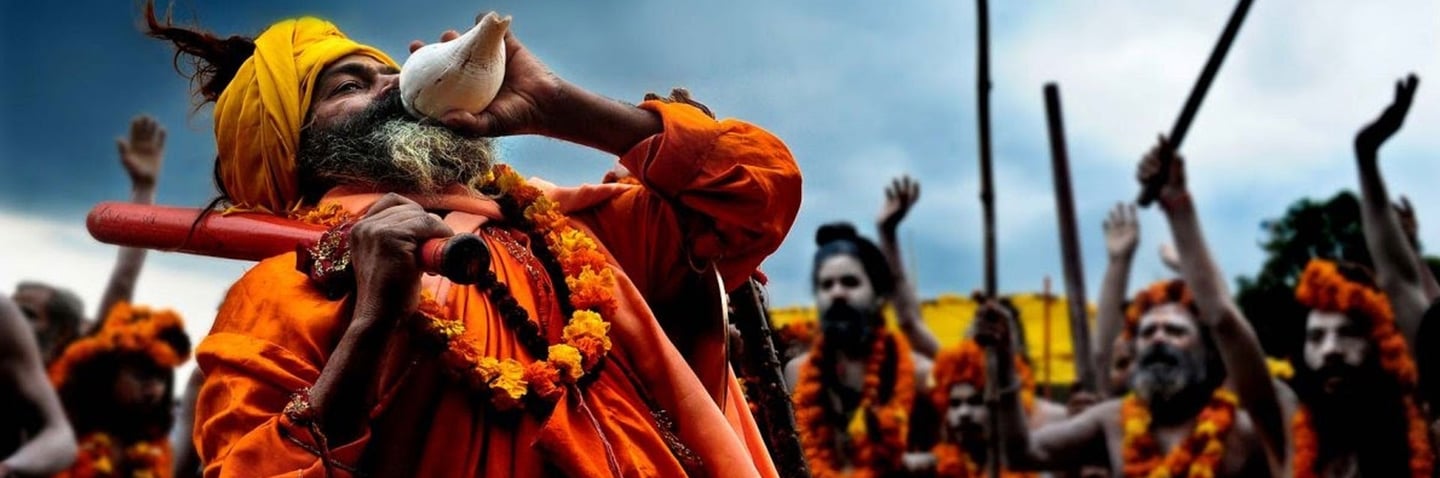
Introduction to Prayagraj Mahakumbh Mela
The Prayagraj Mahakumbh Mela, one of the largest religious gatherings in the world, is a monumental festival that draws millions of devotees from across the globe. This grand event, steeped in spirituality and cultural richness, takes place at the confluence of the Ganges, Yamuna, and mythical Saraswati rivers, a location deemed highly sacred in Hindu belief. The origins of the Mahakumbh can be traced back to ancient Hindu scriptures and mythology, where it is said that the elixir of immortality was churned from the cosmic ocean during the Samudra Manthan. To celebrate this divine event, a festival emerged, symbolizing the eternal quest for spiritual knowledge and enlightenment.
The Prayagraj Mahakumbh occurs every 12 years, with the next notable occasion being in 2025. This recurring cycle signifies not only the passage of time but also the continuous rejuvenation of faith among devotees. Pilgrims undertake long journeys to partake in the sacred rituals, which predominantly include bathing in the holy waters, a practice believed to cleanse the soul of sins and grant liberation (moksha). Alongside spiritual rejuvenation, the Mela serves as a vibrant social event where individuals from diverse backgrounds and cultures converge, fostering unity and shared understanding.
Historical Background of the Kumbh Mela
The Kumbh Mela, one of the largest religious gatherings in the world, boasts a rich historical background steeped in Hindu mythology. According to ancient texts, the origins of the Mela can be traced back to a celestial event known as the "Samudra Manthan" or the Churning of the Ocean of Milk, which is depicted in various Puranas. It is said that during this cosmic event, a pot (Kumbh) containing the divine nectar of immortality (amrit) was produced. The gods and demons fought over this nectar, resulting in a series of significant occurrences that led to the establishment of the Kumbh Mela.
Over the centuries, the Kumbh Mela has transformed into a significant spiritual gathering, occurring at four sacred sites: Prayagraj, Haridwar, Ujjain, and Nashik. Each location hosts the Mela on a rotating basis, corresponding to the positions of celestial bodies and the auspicious time frames outlined in Hindu astrology. This festival is held every 12 years at each site, with Prayagraj being celebrated specifically every six years within the 12-year cycle. However, the unique aspect of the Prayagraj Kumbh Mela is its association with an additional 144-year cycle, which emphasizes the importance of this festival in the context of cosmic time.
Notable historical events associated with the Kumbh Mela reflect its significance beyond mere religious observance. For instance, during the 2013 Prayagraj Kumbh Mela, it was estimated that over 120 million pilgrims attended, underscoring its vast social and cultural impact. The Mahakumbh—the grandest among the Kumbh Melas—occurs once every 144 years, attracting devotees and tourists alike, and exemplifying Hinduism's rich tapestry of beliefs. The historical evolution of the Kumbh Mela is a testament to its enduring legacy, emphasizing spiritual rejuvenation and communal harmony amidst a rapidly changing world.
The Spiritual Significance of 144 Years
In Hindu cosmology, time is perceived as cyclical, resonating deeply with the spiritual waves of the universe. This perspective gives rise to significant periods, known as yugas, which symbolize vast epochs of existence, each serving distinct purposes in spiritual evolution. The 144-year cycle, particularly associated with the Prayagraj Mahakumbh Mela, is considered pivotal in this cosmic framework. It represents a unique recurrence that embodies divine blessings, purification, and spiritual rejuvenation.
The significance of the 144-year interval can be understood through the lens of celestial alignments. During this period, unique astrological configurations occur, particularly when the planets align in a manner that is believed to amplify spiritual energies. Such celestial events are viewed as auspicious, fostering an environment conducive to introspection, renewal, and heightened spiritual awareness among devotees. The Mahakumbh Mela, thus, becomes a sacred gathering, drawing millions of pilgrims who seek liberation from sins and fulfillment of spiritual desires during this period of divine intervention.
This sacred gathering is not solely a reflection of religious observance but also a manifestation of collective consciousness. The 144-year interval serves as a reminder to the Hindu community of the importance of returning to the sacred, rejuvenating their spirits, and reaffirming their connection to the divine. The gathering at the Prayagraj Mahakumbh Mela fortifies communal bonds, facilitating shared experiences that deepen faith and inspire spiritual growth.
Furthermore, the 144-year cycle symbolizes the endless loop of life, death, and rebirth, reminding individuals of their transient existence and the importance of spiritual practices. In essence, it facilitates a rejuvenation of the soul, encouraging participants to engage in rituals that purify both body and mind. The Prayagraj Mahakumbh Mela thus stands as a beacon of hope, guiding devotees to explore their spiritual depths and embrace the transformative powers of this celestial cycle.
Preparations for the 2025 Kumbh Mela
The Prayagraj Mahakumbh Mela, considered one of the largest religious gatherings in the world, necessitates extensive and meticulous preparations to accommodate millions of pilgrims. With an anticipated attendance reaching approximately 120 million people over the course of the event, the logistical planning requires coordination among various governmental and non-governmental organizations. Significant infrastructure developments are imperative to ensure the smooth flow of attendees and provide necessary amenities throughout the festival.
One of the foremost areas of preparation involves upgrading the transportation network. This includes enhancing road access, railway facilities, and ensuring efficient aerial connectivity. Temporary railway stations, enhanced bus routes, and increased metro services are orchestrated to facilitate the influx of visitors from across the globe. Additionally, connectivity with nearby cities is a priority, ensuring that pilgrims can easily reach Prayagraj for this momentous occasion.
Sanitation is another crucial aspect of the preparations for the 2025 Kumbh Mela. A dedicated task force is instituted to manage hygiene services, including the installation of hundreds of mobile toilets, waste management protocols, and clean drinking water supply systems. These measures are vital for maintaining a sanitary environment, especially given the sheer volume of attendees, and to ensure the health and safety of all participants.
Security measures also play a vital role in the preparations. The event will witness a robust security framework, which encompasses surveillance via drones, extensive CCTV networks, and deployment of a multitude of trained personnel to monitor crowds and maintain order. Collaboration between local law enforcement agencies and specialized national security forces is crucial for promptly addressing any potential threats.
As the date of the 2025 Kumbh Mela approaches, international interest continues to grow. Organizations are preparing to welcome global visitors, fostering a spirit of cultural exchange and shared spirituality amongst diverse attendees, making the Mela not just a local event but a rendezvous of faith drawn from different parts of the world.
Cultural and Religious Practices during the Mela
The Prayagraj Mahakumbh Mela, one of the largest religious gatherings in the world, celebrates sacred rituals and diverse cultural practices that embody India's rich heritage. During this occasion, millions of devotees converge at the confluence of the Ganges, Yamuna, and the mythical Saraswati rivers, participating in various religious traditions that foster a sense of community and devotion.
Among the most significant practices is the ritual bathing, which is believed to cleanse the soul and purify one’s sins. Pilgrims, across all ages and backgrounds, immerse themselves in the holy waters during auspicious dates, known as 'Shahi Snan.' These mass bathing ceremonies create an atmosphere of unity, as individuals from different regions and religions participate together, emphasizing the inclusive spirit of the event.
Additionally, the chanting of prayers, mantras, and hymns fills the air, resonating with spiritual fervor. This practice not only serves as an expression of devotion but also acts as a means of community bonding. The sound of chanting creates a vibrant ambiance that draws participants and onlookers alike into the profound experience of spiritual connection.
The presence of revered saints and ascetics also adds to the cultural richness of the Mahakumbh Mela. Their teachings and spiritual discourses provide attendees with guidance and wisdom, empowering them in their spiritual journeys. Many devotees seek blessings from these enlightened beings, fostering a deep sense of respect and reverence within the community.
Moreover, the Mela showcases an array of spiritual discourses, workshops, and cultural performances that reflect India's diverse traditions. This vibrant display of various forms of art and spirituality invites dialogue among participants, reinforcing the principles of tolerance and harmony amidst differences. The Prayagraj Mahakumbh Mela not only serves as a religious congregation but also as a platform for cultural exchange and mutual understanding among a mosaic of communities.
Impact of the Kumbh Mela on Local and National Identity
The Prayagraj Mahakumbh Mela is not merely a religious congregation; it plays a pivotal role in shaping both local and national identity. Spanning over centuries, this grand festival attracts millions of pilgrims and tourists from various parts of the world. The sheer scale of the Mela generates significant social interactions, fostering a sense of community spirit among diverse groups. Such gatherings enhance communal harmony and showcase India's rich cultural tapestry, reinforcing a shared national identity.
Economically, the Prayagraj Mahakumbh Mela acts as a catalyst for growth in the local region. The influx of visitors leads to increased demand for goods and services, thereby boosting local businesses. From local vendors selling traditional handicrafts to food stalls serving regional delicacies, the festival provides an excellent platform for artisans and entrepreneurs, stimulating overall economic development. Furthermore, the government invests heavily in infrastructure improvements before the Mela, which ultimately benefits the region long after the event concludes.
Moreover, the Mela significantly contributes to the tourism sector, emphasizing India's position as a prominent travel destination. Tourists, both domestic and international, flock to witness the religious rituals, cultural performances, and the overall festive atmosphere. This surge in tourism not only generates revenue but also positions the Kumbh Mela as an essential aspect of India's heritage, drawing attention to its historical and spiritual significance. Cultural festivals such as the Mahakumbh serve as a unifying experience for the nation, promoting national pride and interest in India's traditions.
Ultimately, the Prayagraj Mahakumbh Mela is a multifaceted event that intertwines spirituality, community bonding, and economic stimulation. By fostering local traditions and igniting national pride, it signifies the enduring cultural identity of India in a rapidly globalizing world.
Future of Kumbh Mela: Sustainability and Modernization
The Kumbh Mela, one of the largest religious gatherings in the world, stands at a crossroads as it prepares for the future. As society progresses, the integration of modern technology and sustainable practices into this age-old festival becomes essential. The challenge lies in preserving the sanctity of the Kumbh while embracing innovations that enhance the experience for millions of pilgrims and visitors.
In recent years, various stakeholders have initiated efforts to ensure that the Kumbh Mela aligns with contemporary environmental and social sustainability goals. For instance, the introduction of eco-friendly sanitation facilities has been a significant step towards minimizing the environmental footprint of the event. Using biodegradable materials and implementing robust waste management systems can reduce pollution while inviting a respectful relationship with the Ganges River, a vital spiritual element of the Mela.
Moreover, digital technology plays a crucial role in modernizing the Kumbh Mela experience. Mobile applications have been developed to provide real-time updates, safety information, and navigation assistance to attendees. Furthermore, the use of drones and surveillance technology can enhance security measures and ensure the safety of guests, allowing for a smoother flow of the enormous crowd. Such advancements enable the festival to manage the logistical challenges associated with hosting millions of visitors in an organized manner.
However, while focusing on modernization, it remains imperative to uphold the traditional aspects that make the Kumbh Mela unique. Balancing innovation with tradition requires attentive planning and deep community engagement, ensuring that the voices of local stakeholders are considered. This approach can create an event that honors its rich heritage while responsibly accommodating contemporary values.
Ultimately, the future of the Kumbh Mela depends on its ability to adapt to changing circumstances while remaining true to its roots. With thoughtful integration of sustainability and technology, the festival can continue to thrive, offering spiritual enrichment to generations to come.
PRIVACY POLICY
LIVE-TRAVEL-EXPLORE
CONTACT US
ESTD. 2018
"your preferences are considered here"
USEFUL LINKS


Crafting unforgettable travel experiences since 2018.


